

Fixing French Door Locking Mechanism Replacement
You'll want to lock your french doors with security. This can be accomplished by selecting a lock that will secure your door without blocking airflow or impacting the aesthetic look of your home.
French door locks are typically a three-point lock which includes flush bolts at the upper and lower edges of each door panel and an operable door. This lockset is very hard to break.
How do you fix an French door that won't lock
It could be a major safety issue when doors don't lock or latch properly. This could also be an indication of a major issue such as a cracked locking cylinder. Don't worry, the problem can be fixed with just a few steps.
The most common reason for the reason a door won't lock is because there is an obstruction that blocks the latch. This can be something as simple as a piece of dirt stuck in the lock or it could be an issue with the latch itself.
You can confirm if this is the situation by examining the strike plate (the metal piece that rests against the frame on the inside of the door). If there is a small metal tab protruding from the strike plate, gently tap it with a screwdriver until it bends it. This will allow the bolt to drop in more easily.
A latch that has become stuck is usually caused by a poor alignment or installation. Lubricating the latch may help it work better, but it won't solve the issue of how it lines up with the strike plate.
If you don't have a strikeplate it's easy to install one. The lock body (the part that screws into the door frame) must be removed from the door, and the lock assembly replaced. You'll require a Phillips-head screwdriver and a power drill to do this, but it's not a difficult job.
It is a good idea to ensure that the lock is lubricated, especially the cylinder, regularly to ensure that it operates as well as it can. Utilize a lubricant made of graphite or silicone to do this. Apply the lubricant to the key, and then turn it several times, slowly until the cylinder moves freely.
It is a good idea to get a double-cylinder deadbolt for your French doors, instead of just a standard one. A simple handle twist lock will not be enough to keep intruders out, and a standard deadbolt fitted with an internal thumb-turn of the door can be beaten by breaking the glass and gaining access in through it.
Repairing a French Door that isn't latching
Often the issue is caused by the door latch not properly connecting to the strike plate hole. It is often caused by the hinges being sagging. However, it could also be due to a problem with the position of the latch or the latch itself. You can use lipstick, or a similar marker to determine which is the culprit. This mark will help determine the source of the problem. For instance, if the mark is below the strike plate then it's likely the hinges. If it's higher, then it could be the latch position.
When installing handles or a new lock mechanism on an external French Door it's important that the strike plate and latch holes are properly aligned. This is especially the case in the event that one door was closed for a long amount of time. During this time the door might be a little shifted. This is particularly common with composite or timber doors as they are prone to contraction or expansion depending on the weather and the surrounding.
To fix this, first take the latch from the door's edge, then remove the locking strip from the handle. Using a sharp chisel, the hammer and a chisel expand the strike plate hole within the door frame. This will allow you to put the latch in a more ideal position for the door. When the door is closed, it will close without catching on the frame.
Once the latch hole has been enlarged, carefully place the new latch in the strike plate hole and screw it in. Then, re-adjust the strike plate using the hammer and screw until it is in the correct position, and then test the door. Make any adjustments that are needed.
The lock cylinder of external French Doors will not turn. This could be due to wear and tear or debris. However, it is usually an easy fix. The lock may be blocked or the pins of the cylinder are worn. It's worth a shot to see if a quick cleaning can result in a change. If the problem persists it might be necessary to replace the lock cylinder.
How to fix a French Door that won't open
If your French door doesn't lock due to dirt or other debris it's likely that the mechanism is obstructed. Making sure that the frame is free of debris and there is nothing obstructing the locking mechanism is the first thing to do. It could be that the French frame of the door and the French door are not aligned correctly. This could cause the French door to slide against the frame, resulting in jamming.
The mechanism of the lock is fairly simple. The key rotates a spindle which then moves a bolt back-and-forth on the rail. If the handle moves, but the bolt does not, then something is stuck. There may be an issue with the mechanism of the lock itself, or it may just require lubricating. Try using the silicone spray. It comes with a pipe you can use to channel the lubricant to the mechanisms of the lock. Spray liberally and rotate the handle until the lubricant has reached all parts of the mechanism.
It is also possible to adjust where the latch is located on the French door. This is a simple task and is usually done from the outside of the door. If you're French doors are brand new they will be in a position to screw the latch and handle into the right position without a problem. If your French doors are older, you will need to use the templates included in the lock kit to mark where the holes for the handle on the door and latch on the frame must be. Make the hole for the handle or knob at the proper height. It is typically about 36 inches above the floor. Then, you can drill smaller holes on the outside of the door to install the latch.
After the hole has been dug, you must ensure that the latch plate is correctly positioned over the strike plate of the door frame. If it's not the deadbolt, it may not retract into the strike plate when you press the lever for locking. The latch plate will then require to be screwed into the correct position.
Repairing a French Door that won't close
Sometimes, the latch on the latch of a French door gets stuck so it isn't able to close, making the doors ineffective. This is usually a simple problem to resolve, but it could require removal of one of the doors that are heavy. In most cases the problem is that the latch isn't aligned either with the strike plate, or with the door jamb or both. It might also be that the dead bolt isn't fully extended or retracted fully. Misalignment can occur as time passes because of weather or the settling.
It can be difficult to open a door that is stuck. To resolve this issue you need to loosen the screws that hold the hinge to the frame, and then put in shims that allow the door to be raised or lower. This will bring the latch closer to lock mechanism and fix the problem.
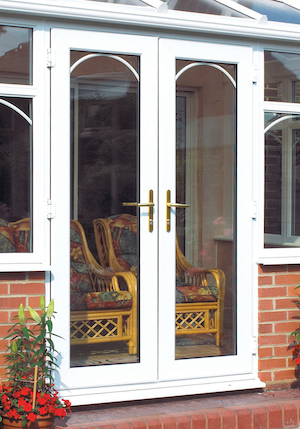
If the latch doesn't fit in the hole of the strike plate, you can solve the issue by loosening the screw that holds the strike plate, and using an electric or metal file to remove some of the edges until the latch is able to fit. If necessary, you may also have to remove the strike plate to chisel out the hole.
french door glass replacement burgess-hill that is common to French doors is that the locks do not engage properly. This could be due to an issue with the locking cylinder if you're using a newer lock system. If the lock isn't functioning properly, you'll need remove it and look for visible damage.
If you have an older door with a draft coming in, try replacing the weatherstripping on the outside of the door. This will form a tight seal and prevent the doors from sticking. Door sweeps can be used to close any gaps. If you choose to do this, be sure to install the sweeps on both sides of the door and that they overlap at the bottom.